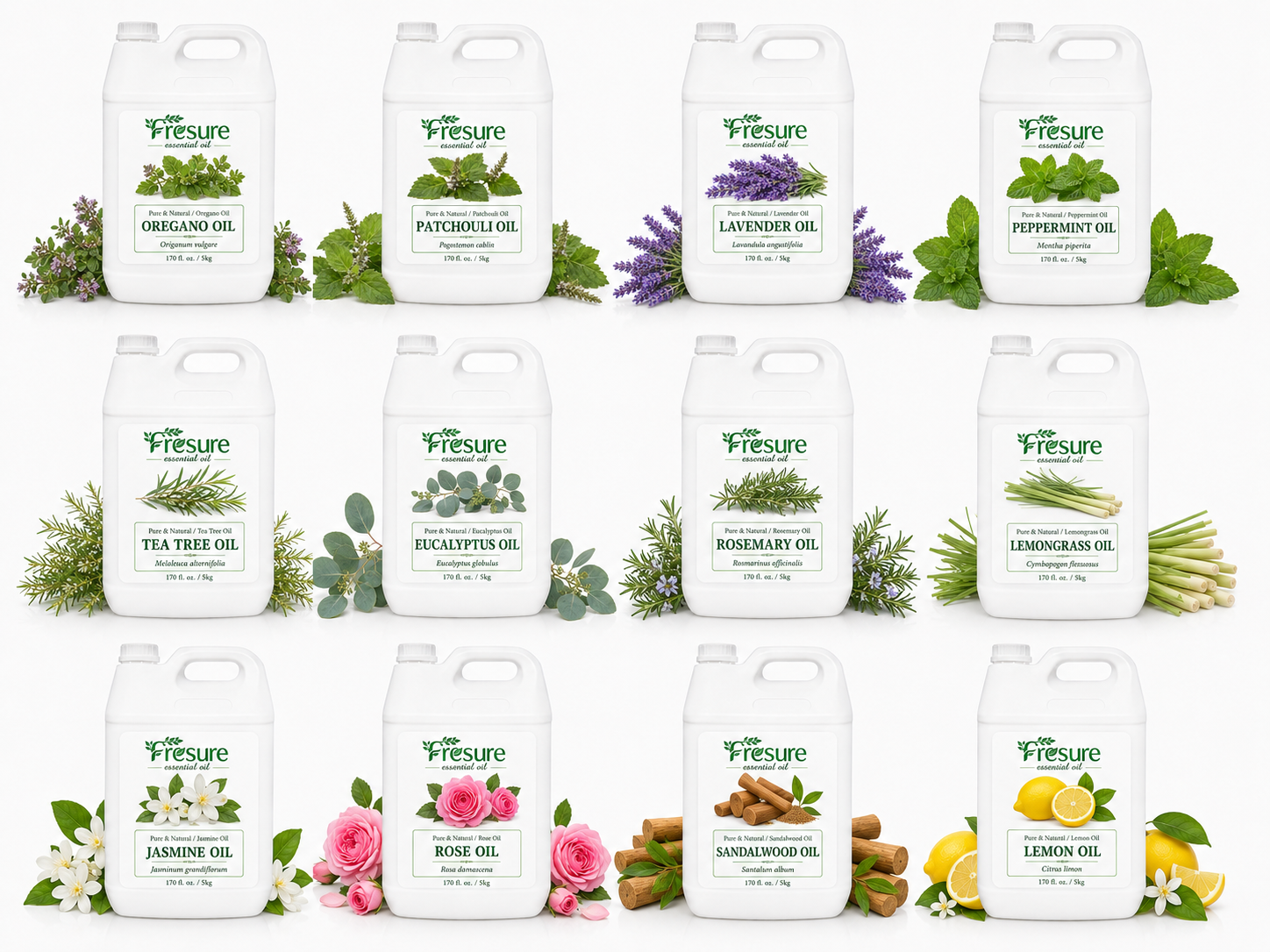
Peppermint
Soothes throat, eliminates bad breath
Peppermint oil is one of the world's most economically significant essential oils, with annual global production exceeding 4,000 metric tons. Steam-distilled from the flowering herb Mentha × piperita, a sterile hybrid of watermint (M. aquatica) and spearmint (M. spicata), our oil is sourced from the primary growing regions of Xinjiang, China, and supplemented by Indian-origin material when market conditions favor it. The oil is defined by its menthol content (35–55%) and menthone content (15–30%), which together determine its cooling intensity and sensory quality. We supply both crude and rectified (double-distilled, dementholized) grades, as well as Indian and Chinese origin options, each with distinct sensory profiles. Indian peppermint is typically more menthol-forward; Chinese peppermint offers a balanced, sweeter profile preferred in oral care and confectionery.
| Botanical Name | Mentha x piperita L. |
|---|---|
| Other Names | Peppermint, Brandy Mint, Balm Mint |
| Country of Origin | Europe (cultivated in India, China, USA) |
| Plant Family | Lamiaceae |
| Parts Used | Whole plant |
| Extraction Method | Steam Distillation |
| CAS Number | 8006-90-4 |
| Color / Appearance | Pale yellow to pale greenish |
| Odor | Strong, penetrating, fresh minty with a cooling sensory effect |
| Specific Gravity | 0.896 - 0.910 (20 C) |
| Refractive Index | 1.459 - 1.465 (20 C) |
| Optical Rotation | -18 deg to -32 deg (20 C) |
| Flash Point | 66#176C |
| Solubility | Soluble in ethanol, fixed oils; slightly soluble in propylene glycol |
| Major Constituents | Menthol, menthone, etc. |
Soothes throat, eliminates bad breath
Menthol, menthone, etc.
A fundamental flavoring ingredient in confectionery (chewing gum, mints, candy canes), oral care products (toothpaste, mouthwash, dental floss), and beverages (herbal teas, liqueurs such as crème de menthe). Also used in pharmaceutical flavor masking. Food-grade oil must meet rigorous sensory and purity specifications.
For professional formulation evaluation. Suitability, permitted use level, labeling, and regulatory status must be assessed for the intended market and application.
Widely used in shampoos (particularly anti-dandruff and cooling formulas), body washes, foot creams, lip balms, and shaving products. Menthol provides immediate sensory cooling and a perception of freshness that consumers associate with product efficacy.
Invigorating and focusing; diffused for mental clarity, alertness, and nausea relief. Combined with eucalyptus and tea tree for respiratory steam inhalation. A 1–2% massage oil dilution is used for digestive comfort (clockwise abdominal massage) and muscular tension.
Eucalyptus, Lavender, Lemon, Marjoram, Pine, Rosemary, Spearmint, Tea Tree — indispensable in respiratory, digestive, and invigorating blends
| Variant | Origin |
|---|---|
| Peppermint | India |
| Peppermint | Xinjiang, China |
Custom packaging and private labeling available upon request.
Store in tightly sealed containers in a cool (<25°C), dry place. Shelf life: 2 years. May partially crystallize at low temperatures due to high menthol content; gently warm to 25–30°C and agitate before use. Protect from light to prevent color darkening.
Under recommended storage conditions — tightly sealed in a cool, dry environment away from direct sunlight — Peppermint Oil remains stable for 2 to 3 years. Monitor for any changes in aroma, color, or viscosity before use in production batches.
Peppermint Oil is steam distillation from the whole plant of a plant in the Lamiaceae family.
Every shipment includes a Certificate of Analysis (COA) detailing the batch-specific chemical profile (GC/MS or GC-FID), physical parameters (specific gravity, refractive index, optical rotation), and organoleptic assessment. Material Safety Data Sheet (MSDS/SDS) is also provided. Additional documentation — including GC/MS chromatograms, pesticide residue analysis, heavy metal testing, and allergen statements — is available upon request.
Standard MOQ is 1 kg for most essential oils, with bulk pricing available at 5 kg, 25 kg, and 180 kg drum quantities. Contact our sales team for current pricing and availability for your required volume.
Yes. We provide complimentary 10–30 mL samples of most products for qualified B2B buyers to evaluate quality, aroma, and suitability before placing bulk orders. Sample requests are subject to availability and shipping costs may apply. Request a sample through our contact form.
Contact our team for pricing, samples, and technical documentation. We respond to all B2B inquiries within 24 hours.